Нижняя сторона двигателя
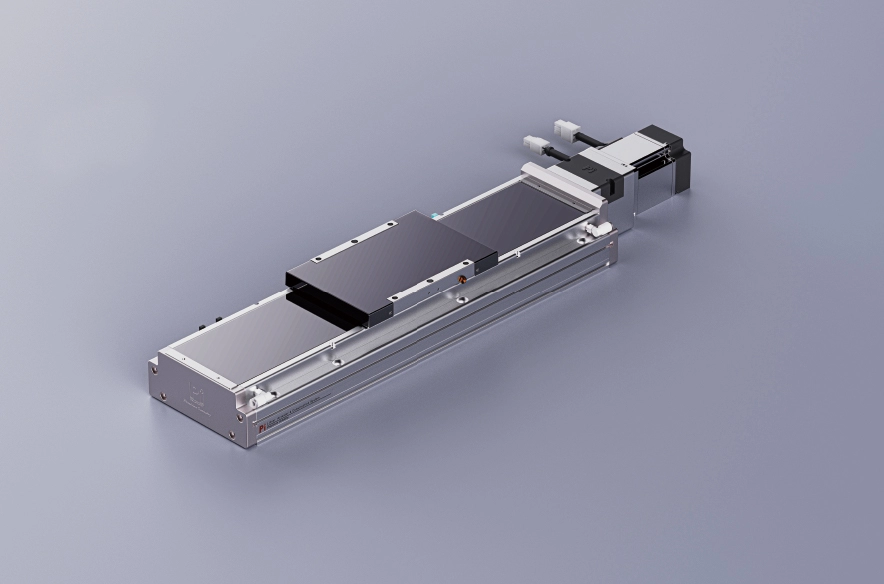
Повторяемость: ±0,005/0,01 мм. Горизонтальная нагрузка: 110 кг. Вертикальная нагрузка: 33 кг. Максимальная скорость: 250 мм/с. Диапазон перемещения: 100–1050 мм.

 Текущее местоположение:Главная > Компания > Новости > Последние новости > How to Troubleshoot Common Problems with Precision Positioning Slide Tables
 Date: Apr 22 2026
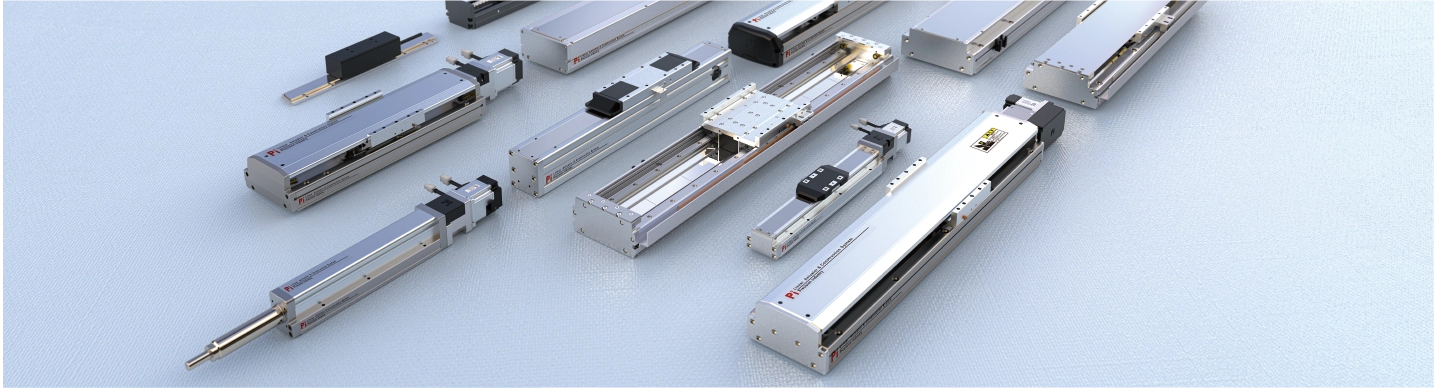
Precision positioning slide tables are vital tools for industries that require highly accurate and repeatable motion. From automated assembly lines to optical inspection systems, these devices enable precise control over component movement. However, even the best slide tables can encounter occasional problems that affect performance, accuracy, or reliability.
Understanding common issues and knowing how to address them can save time, prevent damage, and maintain productivity. The following guide outlines practical troubleshooting steps for the most frequent slide table challenges.
Problem: The slide table fails to return to the exact same position, causing errors in machining, measurement, or assembly tasks.
Possible Causes:
Loose mounting or mechanical misalignment
Uneven or off-center load
Wear on guide rails, bearings, or drive components
Electrical noise or encoder inaccuracies
Troubleshooting Steps:
Check that the table and mounted components are securely fastened.
Verify that the load is balanced and centered on the platform.
Inspect guide rails, bearings, and screws for wear or debris.
Confirm encoder connections and signal integrity.
Recalibrate the system if necessary.
Problem: The slide table produces excessive noise, rattling, or vibration during motion.
Possible Causes:
Insufficient or incorrect lubrication
Loose fasteners or mounting bolts
Worn or damaged drive components
High acceleration or speed settings
Troubleshooting Steps:
Ensure all moving parts are properly lubricated according to manufacturer recommendations.
Tighten any loose bolts or hardware.
Inspect the drive system for signs of wear or damage.
Adjust motion profiles to reduce acceleration and speed if necessary.
Run the system empty to determine if vibration is load-related.
Problem: The table does not move smoothly and may jerk or hesitate during travel.
Possible Causes:
Contamination on guide rails or ball screws
Dry or insufficient lubrication
Mechanical misalignment or binding
Electrical or software issues affecting the controller
Troubleshooting Steps:
Clean guide rails and mechanical components of dust, chips, or debris.
Apply the recommended lubricant evenly along the travel path.
Check alignment and adjust as needed.
Inspect electrical connections and verify proper controller operation.
Test with minimal load to isolate the problem.
Problem: The slide table fails to move, stops unexpectedly, or produces error codes.
Possible Causes:
Overload or overcurrent condition
Encoder or sensor malfunction
Loose or damaged cables
Controller or software settings mismatch
Troubleshooting Steps:
Check that the load does not exceed the table’s rated capacity.
Осмотрите кабели, разъемы и датчики на предмет повреждений.
Проверьте профили движения и настройки контроллера на наличие ошибок.
Перезагрузите систему и попытайтесь двигаться с уменьшенной нагрузкой.
Если коды ошибок сохраняются, обратитесь к производителю.
Проблема: слайд-стол постепенно теряет точность, что приводит к нестабильному или нецелевому позиционированию.
Возможные причины:
Износ линейных направляющих, подшипников или шариковых винтов.
Факторы окружающей среды, такие как колебания температуры или вибрация.
Накопление мусора или загрязнений
Отсутствие регулярного обслуживания и калибровки.
Шаги по устранению неполадок:
Выполните детальный осмотр механических компонентов.
Регулярно очищайте и смазывайте движущиеся части.
Убедитесь, что рабочая среда стабильна и свободна от чрезмерной вибрации или перепадов температуры.
Запланируйте периодическую калибровку для восстановления точности.
При необходимости замените изношенные компоненты.
Следуйте инструкциям производителя по установке, загрузке и настройке движения.
Содержите рабочее место в чистоте и без мусора.
Внедряйте процедуры профилактического обслуживания, включая смазку, проверку и калибровку.
Обучите операторов правильному использованию и раннему выявлению аномального поведения.
Подвижные столы прецизионного позиционирования являются высоконадежными инструментами, но, как и любая механическая система, они могут столкнуться с проблемами, если не будут правильно обслуживаться или эксплуатироваться. Понимая распространенные проблемы, такие как дрейф позиционирования, вибрация, прерывистые движения, ошибки привода и снижение точности, и зная, как их устранять, операторы могут обеспечить бесперебойную работу своего оборудования и поддерживать высокий уровень точности.
Регулярное техническое обслуживание, бережная эксплуатация и упреждающий мониторинг — лучшие способы предотвратить превращение небольших проблем в дорогостоящие простои, гарантируя, что ваш подвижной стол продолжит обеспечивать стабильную производительность в ресурсоемких приложениях.